Questions, concerns, or anything in between, call us first. Your care team is available 24/7/365 (even on holidays).
Find Your Clinic

Learn how seniors can prevent osteoporosis and protect their bone health with tips from Hopscotch Primary Care.
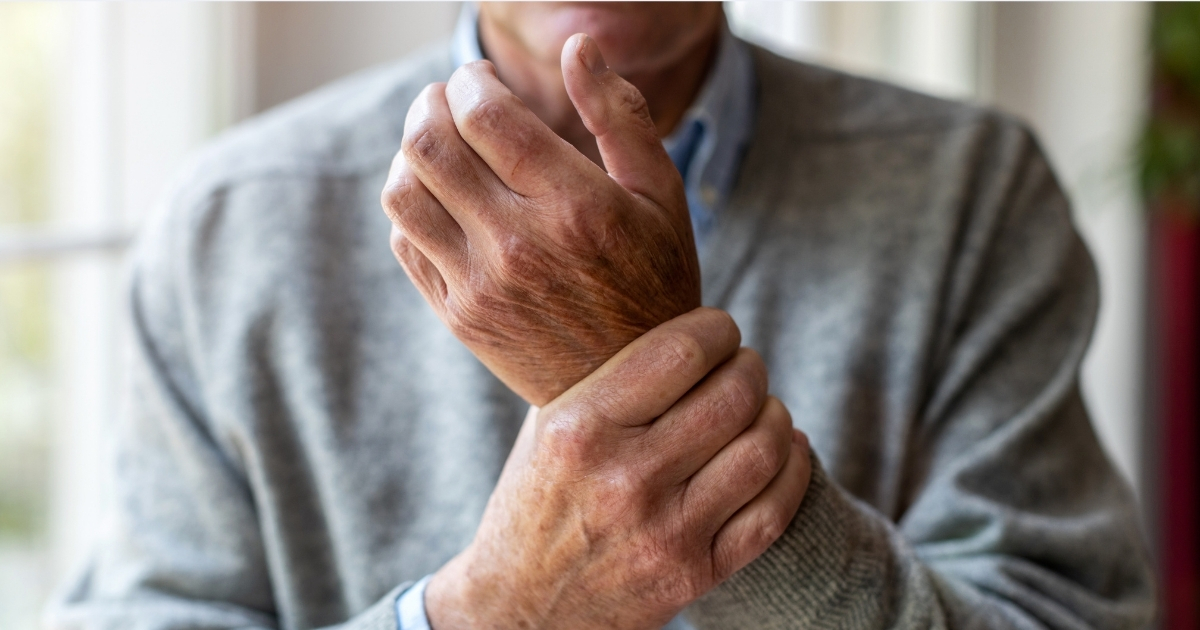
May is Osteoporosis Awareness and Prevention Month, a time to focus on a disease that can silently weaken your bones. At Hopscotch Primary Care, we care deeply about helping seniors stay active, independent, and informed. In this blog post, you’ll learn what osteoporosis is, why it matters, and how you can keep your bones strong and healthy.
Osteoporosis is a disease that makes your bones thin, weak, and more likely to break. It often happens as people get older, especially after age 50. When you have osteoporosis, a small fall or even a bump can cause a bone to break.
The bones that break most often are in the hip, spine, and wrist. These breaks can be very painful and may take a long time to heal. Sometimes, they even change a person’s life forever.
"Fractures aren’t just painful. They can keep you in the hospital, cost a lot of money, and make it harder to live on your own," says Dr. Paul Fletcher, a provider at our Marion, NC clinic.
You may not know you have osteoporosis until you break a bone. That’s why it’s sometimes called a "silent disease."
It’s easy to mix up osteoporosis with osteoarthritis, but they are not the same:
Both are common as people get older, but they are treated differently.
Doctors use a special test called a DEXA scan to check your bone strength. It compares your bone density to that of a healthy young adult. The results show if you have:
Ask your doctor if you should get a DEXA scan, especially if you are over 65 or have risk factors like family history or past fractures.
Many things can make your bones weaker:
Sometimes, it runs in families. That means if your parents had weak bones, you might too.
You can take steps to protect your bones and lower your risk of fractures:
Most adults over 50 need about 1,200 mg of calcium and 800 IU of vitamin D each day.
Learn more about nutrition and bone health.
Exercise helps build and keep strong bones. Try:
Strong muscles help support your bones and prevent falls.
Dr. Fletcher reminds us, "Stopping falls is one of the most important ways to protect older adults with weak bones."
To stay safe:
Visit the CDC's Fall Prevention page for more tips.
Some people may need medicine to slow bone loss. Dr. Fletcher often prescribes medications like Fosamax, Boniva, Reclast, or Prolia. These can help prevent broken bones.
"People worry about side effects, but often the benefit of protecting your bones is worth it," says Dr. Fletcher.
You can’t see or feel your bones getting weaker, but that doesn’t mean it’s not happening. If you're over 65, talk to your provider about bone health. It could help you stay active and independent for many more years.
At Hopscotch Primary Care, we’re here to support you. Call us or visit hellohopscotch.com to schedule an appointment, ask about a DEXA scan, or get help managing your bone health.
Let’s stand strong together—this month and always.
.png)